Mulches & Soil Improvement
Categories
Showing 1 - 59 of 59
Showing 1 - 59 of 59
Sort By:
Sort By:

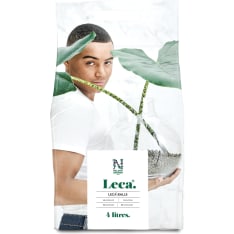
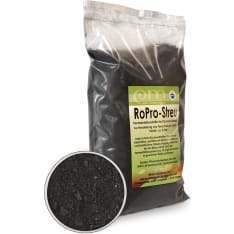
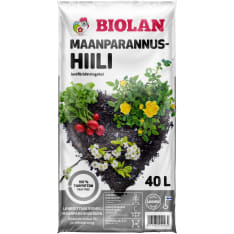
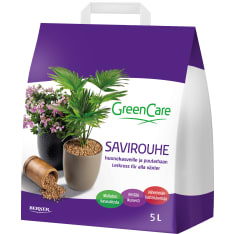
Showing 1 - 59 of 59
Soil Improvement – Good Soil Makes Plants Thrive!
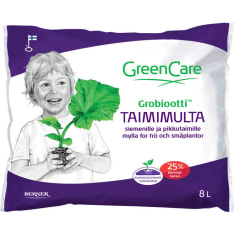
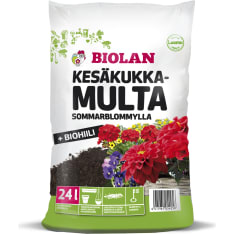
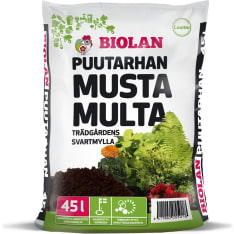
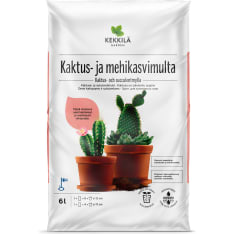
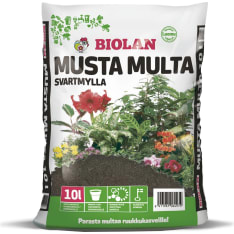
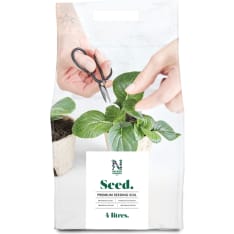
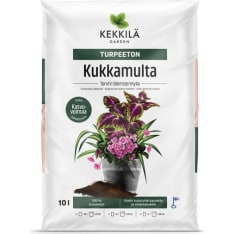
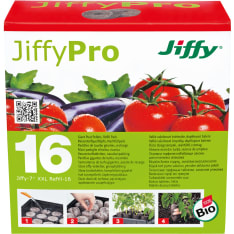
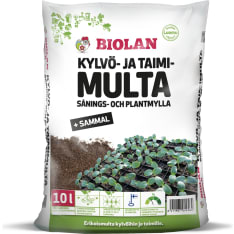
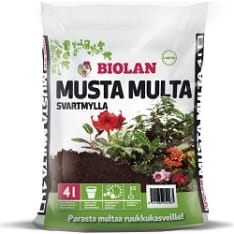
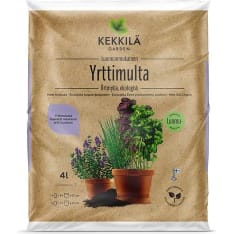
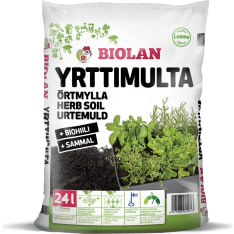
The secret behind beautifully growing flowers and plants is rich, nourishing soil that gives the plant an easy start—strong and healthy! Success comes from understanding that different plants need different types of soil to grow: for example, delicate seedlings rise best in seedling soil, while outdoor soil helps a kitchen garden harvest flourish. Choosing the right soil is easy—a quick look at the information on the bag is usually enough.
Fresh Soil Reduces Plant Diseases
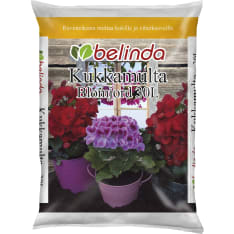
Poor soil won’t produce juicy vegetables or beautifully blooming summer flowers. That’s why the soil needs to be improved by using soil improvers. Outdoors, it’s often enough to add fertilizers and plant nutrients to existing soil, but pots and planting boxes usually require fresh potting soil each growing season.
Soil should be replaced not only for nutrients, but also to help prevent plant diseases. For example, tomato diseases can easily transfer from the old plant’s soil to new seedlings in spring. However, you don’t need to throw old soil into the trash—you can reuse it as a growing medium for other plants or add it to the composter to create new soil.
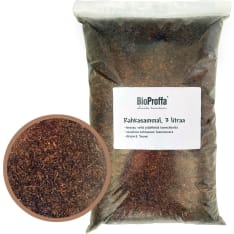
In greenhouses with an earthen floor or planting beds without a bottom, it’s naturally impossible to replace all the soil. In that case, it’s enough to scrape off the top layer and replace it with a new growing medium, such as soil-improving peat.
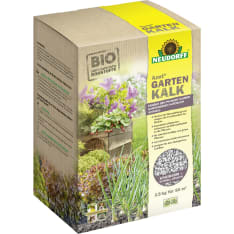
Garden lime is added in spring before the growing season begins for ornamental plants and vegetable gardens. Plants that prefer acidic soil—such as rhododendrons and highbush blueberries—should not be given lime.
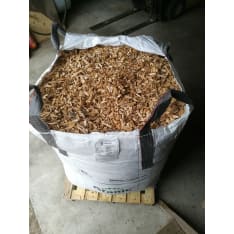
Plants that like acidic soil should also be planted in soil that does not already contain lime—remember to check the lime content on the soil bag. You can increase soil acidity, for example, with bark mulch.
Repotting Houseplants Is Done in Spring
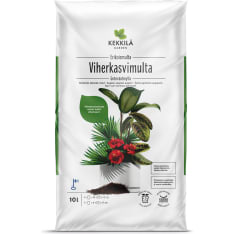
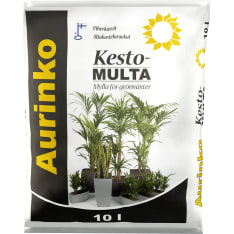
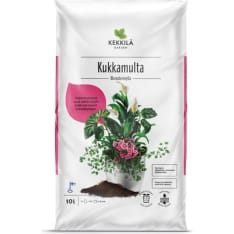
For houseplants, the soil is changed as spring arrives. Spring is also a good time to start fertilizing plants back into full growth after a long, dark winter. Not all houseplants—especially large and slow-growing ones—need their growing medium replaced every year. You can scrape away the top layer of soil and replace that upper part with fresh soil.
Sometimes repotting is forgotten, but the toughest houseplants may keep going in the same soil year after year. Still, a plant will do better when the soil is fresh and healthy. The condition of the growing medium is often reflected in the plant’s health—if the leaves look droopy and the whole plant seems unhappy despite watering, it’s probably time for new soil and fertilization.