Fishing Lines
Categories

Showing 61 - 120 of 198
Showing 61 - 120 of 198
Sort By:
Sort By:
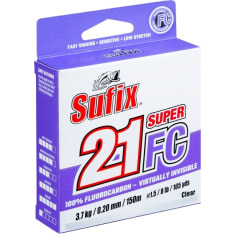
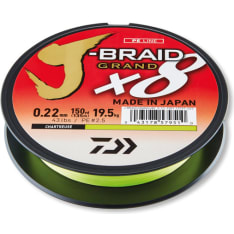
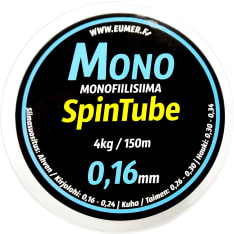
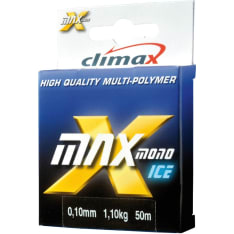




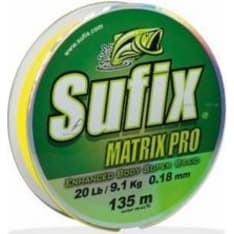
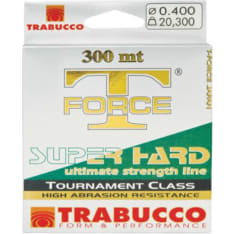
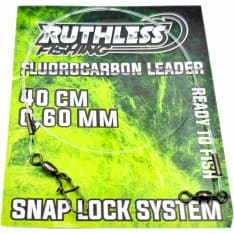

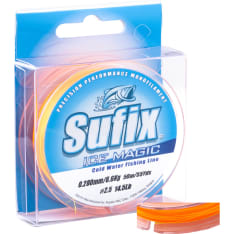



Showing 61 - 120 of 198
Suitable lines for fishing
The importance of fishing line can’t be overstated. The line has to feel good and be durable, because it ultimately determines whether the big one you’ve hooked can be brought ashore. A line can be a plastic monofilament line or a braided microfibre line (often called braided line). Different materials and constructions are used to adjust a line’s properties, optimising it for specific fish species and fishing locations.
Choose fishing line based on its intended use
Fishing lines are often grouped into three categories: ice fishing, sea fishing and freshwater fishing. Different lines serve different purposes. There are lines that are frost-resistant, coloured, stretchy, light or heavy. For example, an ice-fishing line is always coloured so it can be seen more easily against white snow and ice.
Line wears out in use. Sunlight, knots and untangling them, battles with fish and other strain all take their toll. It’s the angler’s job to check the line’s condition from time to time and replace it when needed.
Monofilament lines are the most popular fishing lines
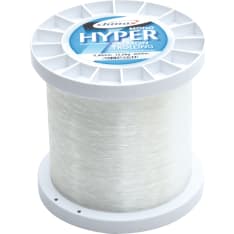
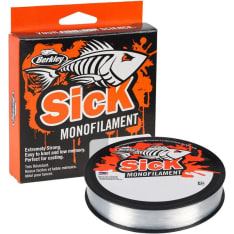
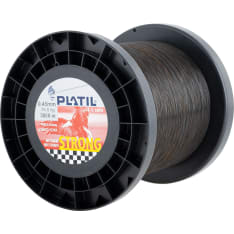
Plastic monofilament lines are affordable and widely used. Monofilament is an excellent basic line for trolling, float fishing and ice fishing. It’s easy to tie, flexible, and handles abrasion well. However, its suppleness, stiffness and elasticity can vary from line to line. One downside is its stretch, which reduces sensitivity and feel to the lure. For example, in jig fishing or pike fishing, monofilament is not always the best option.
Braided lines are thin and strong
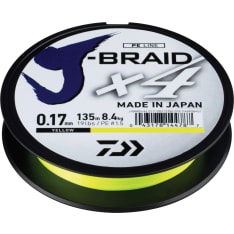
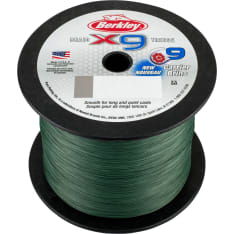
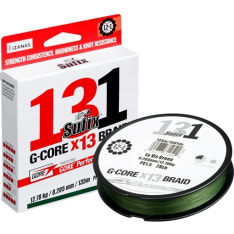
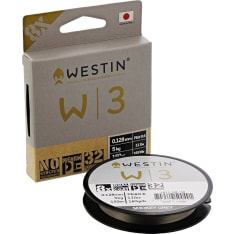
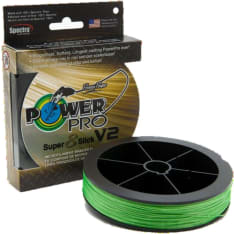
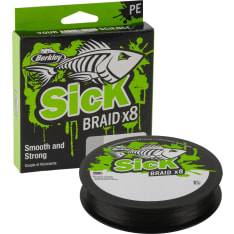
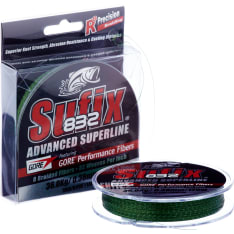
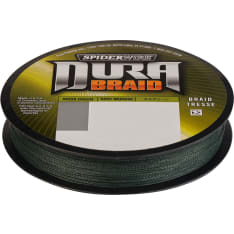
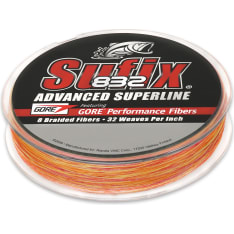
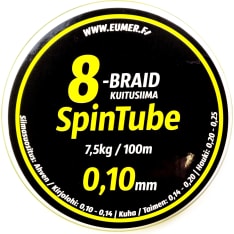
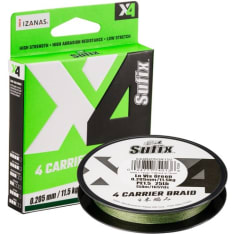
Braided lines are made from fibres such as Spectra, Dyneema or Dacron. They are typically braided in a way similar to rope. The biggest advantages of braided line are its high tensile strength and thin diameter. Because of this, braided line is especially popular with casting anglers—when casting, braided line can fly far.
A key strength of braided line is that it doesn’t stretch, but a weakness is poorer resistance to abrasion and freezing conditions. Braided lines are also quite expensive compared to monofilament. The more technical the line, the higher the price usually is.
Fly lines belong to fly fishing
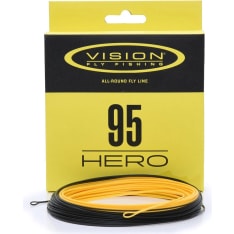
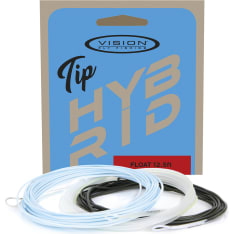
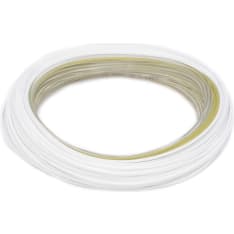
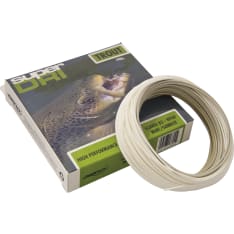
Fly lines and leaders are a category of their own. Fly lines are heavy, which makes it easier to cast and fish with lightweight flies. When the line loads the fly rod correctly, casting becomes possible and smooth. Fly lines are not evenly thick; the front end has a few metres of thicker line, followed by a thinner and more even running line. This taper makes the line easier to cast. Fly lines are divided into different categories, including lines suited to different fish species.