Marzipans
Showing 1 - 5 of 5
Showing 1 - 5 of 5
Sort By:
Sort By:
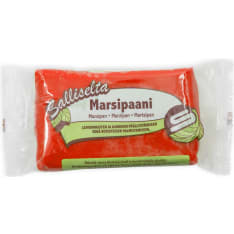
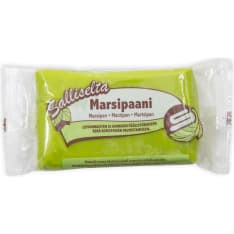
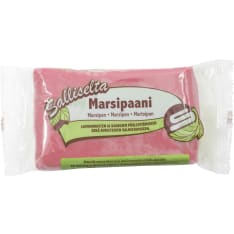
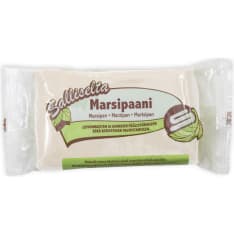
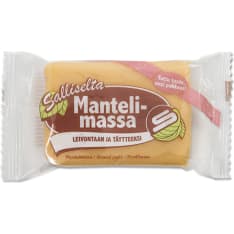
Showing 1 - 5 of 5
Marzipan or fondant?
Marzipan and fondant are very popular baking products nowadays. But which one should you choose—and when? Both have their own strengths, so it’s worth reading tips on how to use each. In any case, marzipan and fondant have become many cake makers’ go-to options ahead of caramel sauces and whipped cream, even though those still have their own place in the cake world. You can conveniently order baking decorations and baking ingredients online!
Marzipan decorations look beautiful and last a long time
Cakes are trendy right now. They’re served at celebrations as well as during weekend coffee moments. Over the years, cake decorating has evolved from piped cream cakes to naked cakes and cakes covered with different rollable masses. Rollable pastes are also popular for making cake decorations. And no wonder—paste kneaded from almond meal and sugar was already used in the Far East well over a thousand years ago.
Marzipan is a popular choice because it’s easy to roll out, shape and colour. Ready-made marzipan decorations include, for example, marzipan pigs and flowers. Marzipan is also used in various chocolate sweets.
It’s worth getting familiar with marzipan’s many possibilities as a cake decoration. Even though marzipan is versatile and very easy to use and shape, it’s a good idea to use potato starch when rolling it out so it doesn’t stick to the rolling pin. Other helpful tools include special tools designed for making marzipan roses and other decorations.
Marzipan differs from almond paste, among other things, in that marzipan contains fewer almonds than almond paste.
Fondant is better suited for cake decorations
While marzipan is excellent for covering cakes, fondant is well suited for shaping different kinds of decorations because it’s easy to mould and doesn’t become sticky or “weep” on top of the cake. That’s why fondant is very popular among professional bakers for both covering cakes and making decorations.
Fondant contains, among other ingredients, sugar, glucose, vegetable oil, glycerine, emulsifiers, colourings (depending on the colour), preservatives, stabilisers and water. It hardens at room temperature in about a couple of hours, so you shouldn’t leave it sitting on the table unshaped to dry out.
You shouldn’t start rolling out fondant straight from the package—knead it in your hands first until it becomes soft and elastic. A good rolling surface is a silicone baking mat or another suitable baking board. Fondant’s flavour divides opinions, but it’s also available in different flavoured varieties.
In our webstore you’ll find a wide selection of ingredients for baking and cooking.