Cross-Country Skis
Skis for every style – for the track, skate skiing, and kids
Cross-country skiing is Finland’s national sport, and with the right gear it’s a pleasure—not something you force yourself to do. Looking for easy and hassle-free? Choose popular skin skis and forget about kick wax. Craving speed? Grab stiffer skating skis. With us you’ll find top brands like Fischer, Peltonen, and Rossignol for everyone from the Sunday skier to the active fitness enthusiast. Check out the tips below for choosing the right skis—and hit the trails!
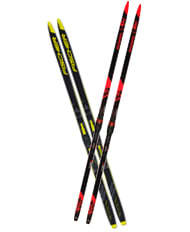
Showing 1 - 31 of 31
Showing 1 - 31 of 31
Sort By:
Sort By:
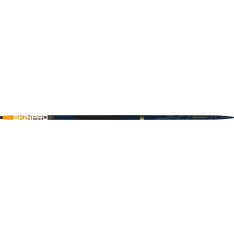
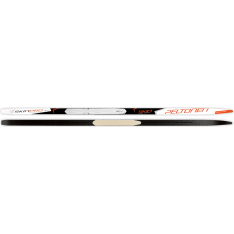
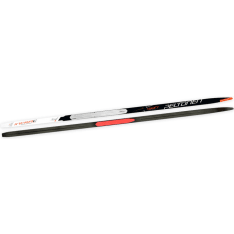
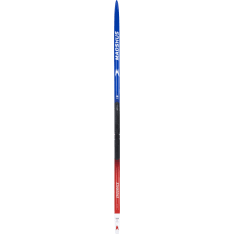
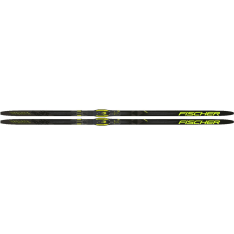
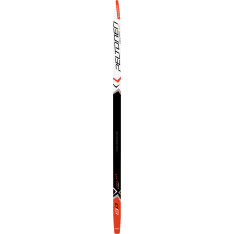
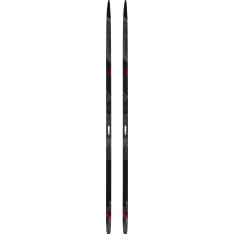
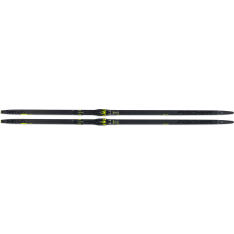
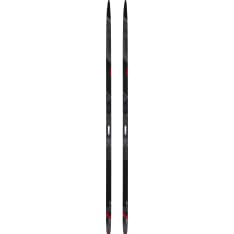
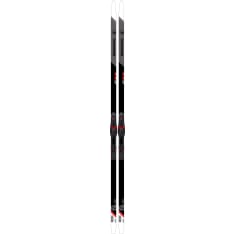
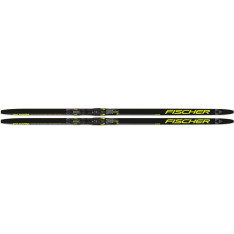
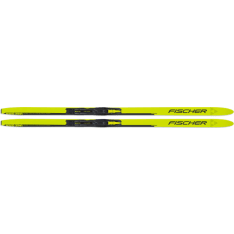
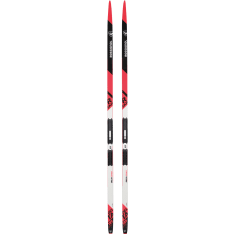
Showing 1 - 31 of 31
How to choose the right skis – a guide to getting it right
Choosing skis has become easier in recent years, but a couple of basic rules are still worth remembering. These days it’s not just about height—your weight is often the most important factor in how well the skis will work. Here are the key tips for finding the right skis for yourself or for a child.
1. Pick your style: Skin skis, skate skis, or classic? Before you start thinking about lengths, decide how you want to ski.
Skin skis (for classic skiing): The clear favourite right now for classic technique. The mohair skin in the base provides grip, so you don’t need kick wax. A great fit for about 90% of recreational skiers who want an easy way to get out on the trails.
Skating skis: If you want speed and a tougher workout. Skate skis are shorter and stiffer than classic skis and have no grip zone at all. They work best on a firmer, smoother track or groomed skating lane.
Waxable classic skis: The choice for active skiers chasing maximum glide and grip for racing or specific snow conditions. Requires waxing skills—and the willingness to do the work.
2. Ski length and stiffness – the scale doesn’t lie How long should your skis be? It depends on the technique, but weight is now more important than height. The ski needs to be stiff enough to support your weight, but soft enough to work properly (especially in classic skiing).
Rule-of-thumb lengths:
Classic / Skin skis: Your height + 15–20 cm
Skate skiing: Your height + 5–15 cm
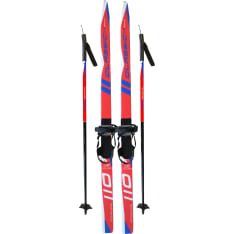
Kids’ skis: About the child’s height (or roughly +10 cm for a more experienced child). For the very smallest beginners, first skis can even be slightly shorter than the child to make them easier to control.
Important note on stiffness: If you’re a heavier skier, you’ll need a stiffer ski (often marked Stiff or Hard). If you’re lighter, go for a softer flex (Soft or Medium). Too soft and the ski won’t glide well; too stiff and you’ll struggle to get grip in classic technique. Always check the ski’s recommended weight range in the product details.
3. Top ski brands at Kärkkäinen Our selection includes some of the best ski brands in the world:
Fischer: A market leader—its “hole-tip” skis and Twin Skin models are legendary on the tracks.
Peltonen: A Finnish option known for excellent Skinpro skis, designed and tested for Finnish conditions.
Rossignol & Madshus: Great choices for both racers and recreational skiers, well known for their smooth, easy ski feel.
Frequently asked questions about skis (FAQ)
How long should skis be for a child? Kids’ skis shouldn’t be too long—long skis are harder to control, and that can kill motivation fast. For beginners, a good length is around the child’s height or even slightly shorter. Don’t leave too much “growing room,” because overly long skis feel clumsy.
What’s the difference between junior skis and adult skis? Junior skis are built for lighter skiers: they’re softer so a lighter child can press the ski down to get proper grip. Adult skis are usually too stiff for kids, which means the grip disappears.
Do new skis need waxing right away? Most skis benefit from glide waxing (tip and tail) before first use so the base doesn’t dry out and turn grey—and so you get good glide right from the first session. Don’t put wax on the grip zone of skin skis, but it’s smart to pick up skin cleaner and anti-ice treatment right away.