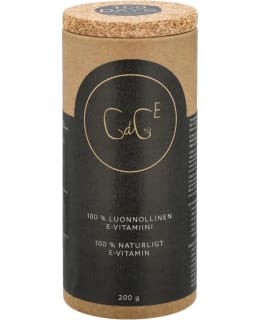
Vitamin E acts as an antioxidant in the horse's body, protecting cells from the damage of free radicals, for example from lactic acid formed during physical exertion. It is needed, among other things, to maintain the normal function of the muscles and nervous system and to support the immune system. Natural vitamin E also supports the well-being of the skin and joints and, according to studies, is absorbed more than twice as well as synthetic vitamins.
Show more